Centre Decides to Cancel Tender for 4,675 E-Buses Due to Lacklustre OEM Response
 Add CMV360 on Google
Due to a lack of interest from major OEMs, the tender date was extended numerous times before finally closing on June 9.

By Priya Singh
The government's ambitious plan to replace polluting diesel buses with electric buses on public transportation has encountered an issue.
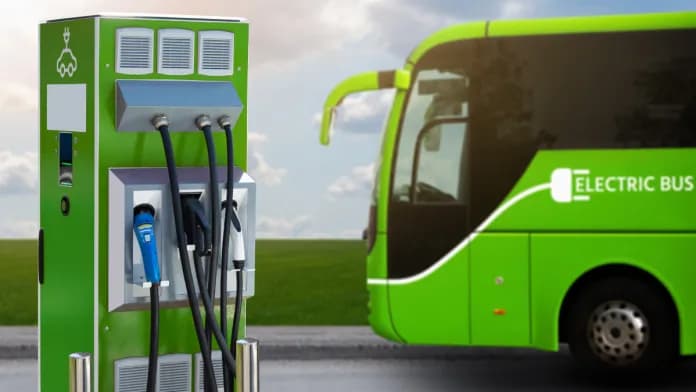
The Centre has announced its decision to scrap the tender for the procurement of 4,675 electric buses (e-buses) after receiving a lacklustre response from Original Equipment Manufacturers (OEMs). The move comes as a setback to the government's ambitious plans to bolster the electric mobility sector and reduce vehicular emissions.
The government's ambitious plan to replace polluting diesel buses with electric buses on public transportation has encountered an issue. Convergence Energy Services Limited (CESL), the state-run company in charge of acquiring electric vehicles for central and state government departments, is considering cancelling its dry lease tender for 4,675 e-buses due to a poor response from original equipment manufacturers (OEMs).
The tender, launched on January 4 as part of the National Electric Bus Programme (NEBP) Phase-II, failed to attract bids from known vehicle manufacturers such as Tata Motors, Ashok Leyland, and PMI Electro Mobility, leading to concerns that it might be cancelled.
Due to a lack of interest from major OEMs, the tender date was extended numerous times before finally closing on June 9. The buses were bid on by only EKA by Pinnacle Mobility Solutions. EKA declined to respond, claiming the unavailability of its representative.
Also Read: VECV Secures Rs 500 Crore Order from Vijayanand Travels for Luxury Buses
"Because no OEMs submitted bids, the tender is likely to be cancelled. For future tenders, we are also considering revisiting the dry lease contracting model," a senior government official stated.
OEMs did not bid due to concerns about high operational costs, the financial instability of state transportation undertakings (STUs), and reservations about handing over control of the buses to STU drivers, according to sources.
Furthermore, because they did not qualify for incentives under the Faster Adoption and Manufacturing of (Hybrid &) Electric Vehicles scheme, the cost of e-buses under the dry lease tender was more.
However, the Centre's decision to cancel the tender was driven by the disappointing participation from the OEMs. Industry experts speculate that several factors might have contributed to this outcome, including challenges related to infrastructure, battery technology, and overall costs.
Despite various incentives and initiatives to promote electric vehicles, it appears that the market readiness for producing a large number of e-buses was not met by the current state of the industry.
Government officials expressed their determination to continue promoting electric mobility, emphasizing that the cancellation of this particular tender does not signify a halt in their efforts. The Centre is expected to revisit its strategy, addressing the hurdles that deterred OEMs from participating in the tender.
This could involve reevaluating incentives, infrastructure development, and fostering stronger collaboration between the government and the private sector. The setback underscores the need for a comprehensive approach to tackle the challenges of transitioning to electric vehicles.
As the world shifts towards sustainable transportation solutions, it is evident that a joint effort from all stakeholders—government bodies, manufacturers, and infrastructure developers—is crucial to achieving the desired outcomes and creating a cleaner, greener future for India's transportation sector.

Hi there! I'm Priya. From trucks to vans and everything in between, I'm here to provide you with up-to-date in .....