Alternative fuel and associated technology boost CV sales in FY2023.
 Add CMV360 on Google
Furthermore, in order to attract more customers, OEMs are including advanced technologies in their vehicle offerings in order to give improved uptime, which leads to increased business for customers, and all of this has contributed to brisk sales in FY202

By Priya Singh
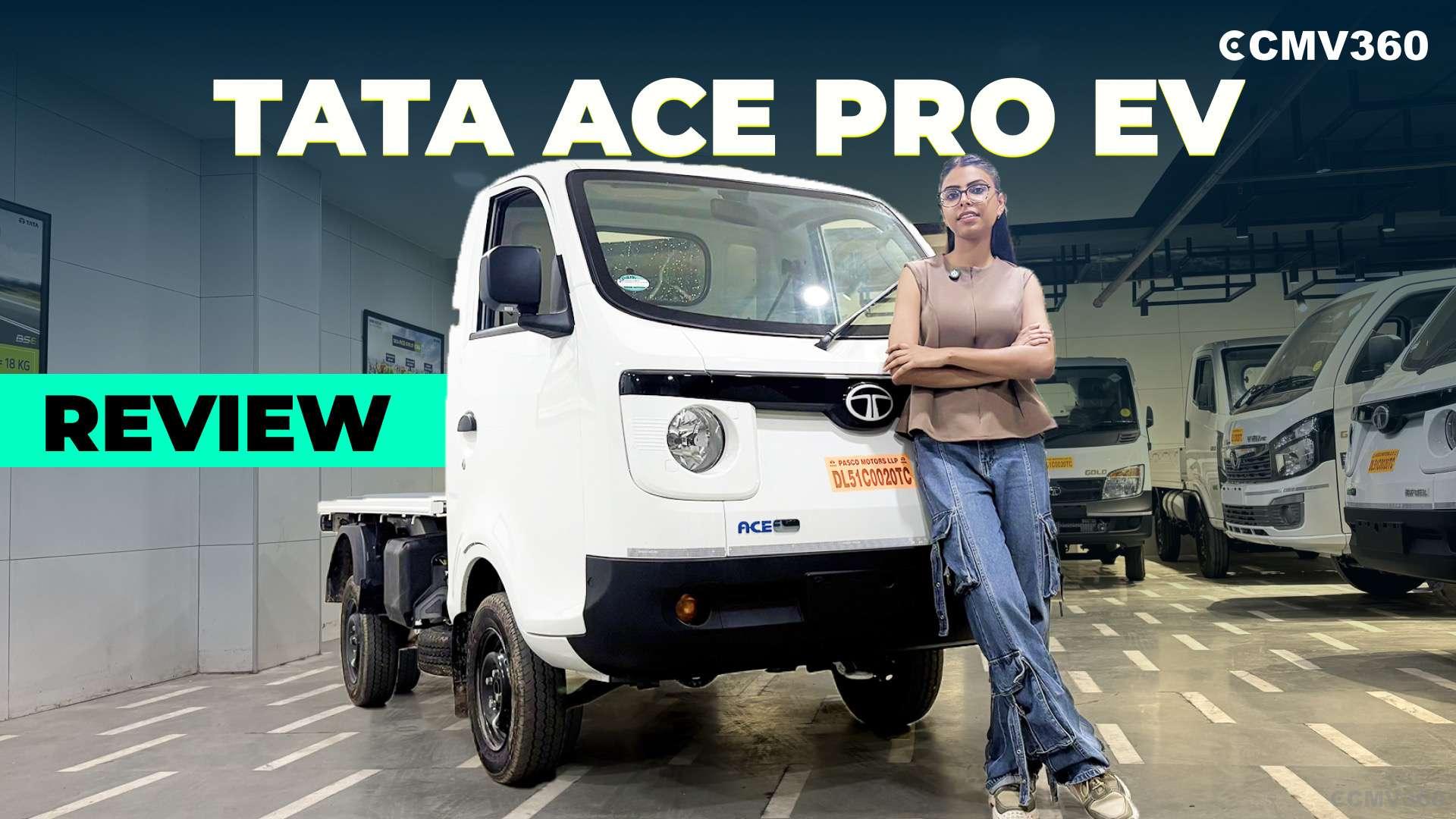
The winds of change are clearly seen throughout the CV industry. At the same time, the debut of electric variants like the Tata ACE or the Ashok Leyland Bada Dost Xpress CNG 12 seater suggests that electrification is progressing rapidly across the Indian CV sector.

Furthermore, in order to attract more customers, OEMs are including advanced technologies in their vehicle offerings in order to give improved uptime, which leads to increased business for customers, and all of this has contributed to brisk sales in FY2023.
Total Sale Vehicles
A total of 101,737 CVs were sold across segments, representing a 12% year-on-year increase and a 27% month-on-month increase. In reality, in the fiscal year 2023, total commercial vehicle sales were 902,432 units, a 34% increase over the same period last year.
Tata Motors Sales
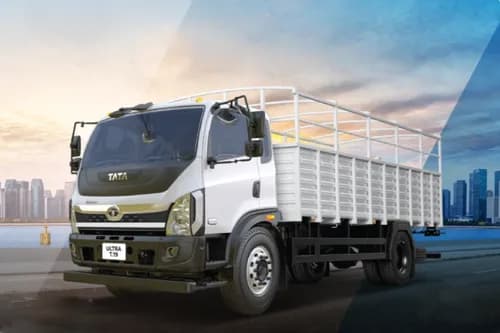
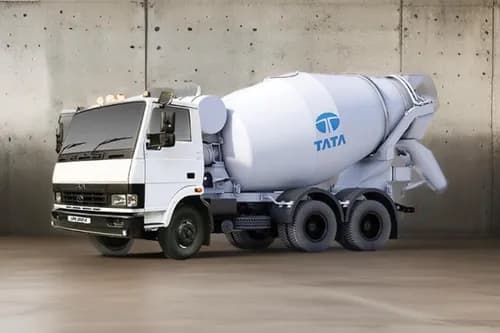
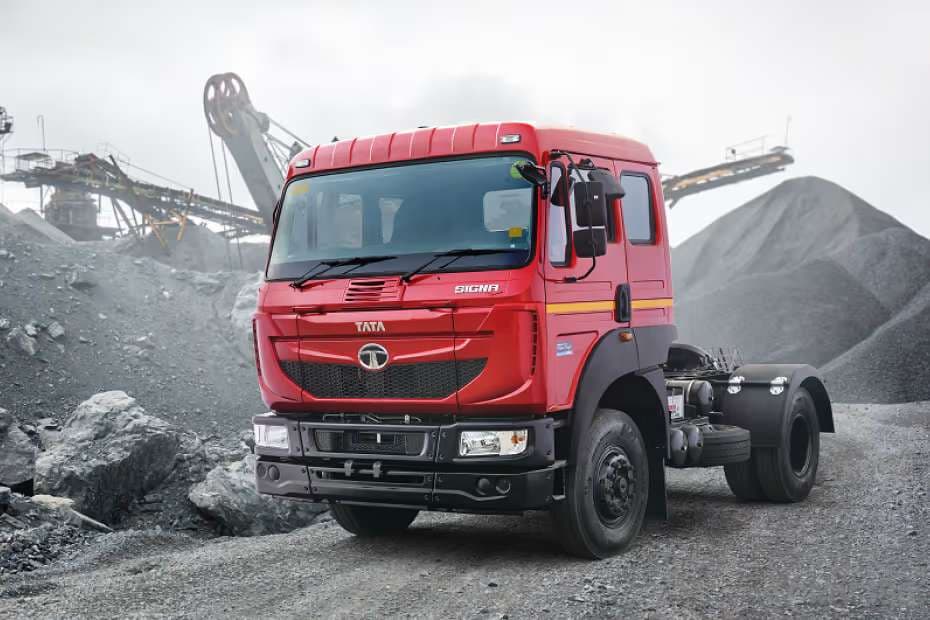
Tata Motors ended the year with a 22 per cent increase in sales of 393,317 CVs. The expansion was seen in its M&HCV, I&LCV, Passenger carriers, SCV Cargo, and Pickup divisions. In March, sales remained steady at 45,307 units.
Mahindra Sales
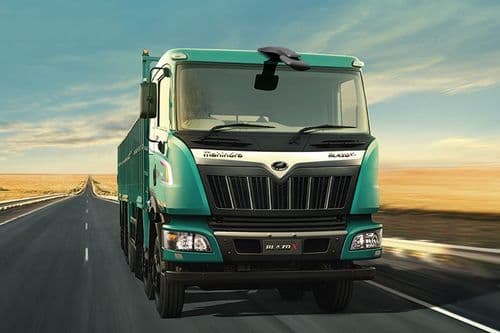
For Mahindra, demand for its Pickup series contributed to a yearly wholesale of 248,576 units, a 40% increase year-on-year. Throughout the year, the company's strongest sector was the LCV 2-tonne to 3.5-tonne, which had its best-ever performance. In March, the company reported a 12% increase in sales to 22,282 units.
Ashok Leyland Sales
Ashok Leyland continued to experience strong growth; in fact, the business sold 180,916 units, a 54 per cent increase year-on-year. The company profited from the robust demand generated by the infrastructure push, which helped grow M&HCV truck sales.
Volvo Eicher CV Sales
Volvo Eicher CV experienced high demand as well, finishing the fiscal year with sales of about 80,000 vehicles. It recorded wholesales of 79,623 units, a 40% increase year-on-year. In March, the company reported 11,263 unit sales, a 42 per cent increase over the same month the previous year.
Overall sales
Going forward, with pre-ordering beginning in March, there may be a brief dip in overall sales. But, with the government's continuous emphasis on infrastructure projects, as well as improvements in finance, fleet buyers who account for the majority of truck sales, and replacement demand for buses, the industry is well-positioned for sustainable expansion.

Hi there! I'm Priya. From trucks to vans and everything in between, I'm here to provide you with up-to-date in .....